Quick answer: keep the skin unbroken, the stem dry, and the pumpkin off wet ground, and move pale-skinned varieties out of direct afternoon sun. Hard skinned varieties like Jarrahdale can hold several months outside; a standard field pumpkin manages 8 to 12 weeks. Skip the hairspray and petroleum jelly. They don't help, and one is a fire hazard near a candle.
We've placed and checked on thousands of porch pumpkins across a Front Range season, and the pattern is always the same. The pumpkins that fail early got carved too soon, sat in a puddle, or baked all afternoon with no break from the sun. The ones that make it to November did almost nothing special. They just avoided a few specific mistakes.
What decides pumpkin lifespan outside
Five things decide how long a pumpkin lasts outside, and they stack: a crack in any one of them speeds up the others.
- Skin integrity: any nick, scrape, or soft spot is an entry point for mold, and it only gets worse.
- Cure quality: curing is the week or two a pumpkin spends drying out after harvest, so the stem seals and the rind hardens before it ever reaches a porch.
- Temperature: pumpkin rot spreads fastest in the 60 to 80 degree range; a hard freeze followed by a thaw does more damage than steady cold.
- Moisture: a pumpkin sitting in standing water or wet mulch rots from the base up, often before the top shows any sign.
- Variety: hard skinned varieties simply outlast soft skinned ones under identical conditions.
How to make pumpkins last longer outside: what works, ranked
Variety and placement do more work than any product you can buy. We've detailed the full lifespan breakdown in our guide to how long pumpkins last outside, but here's the short version for planning.
| Variety | Typical outdoor lifespan | Best spot |
|---|---|---|
| Jarrahdale | Several months | Full sun is fine |
| Cinderella | 3 to 5 months | Partial shade |
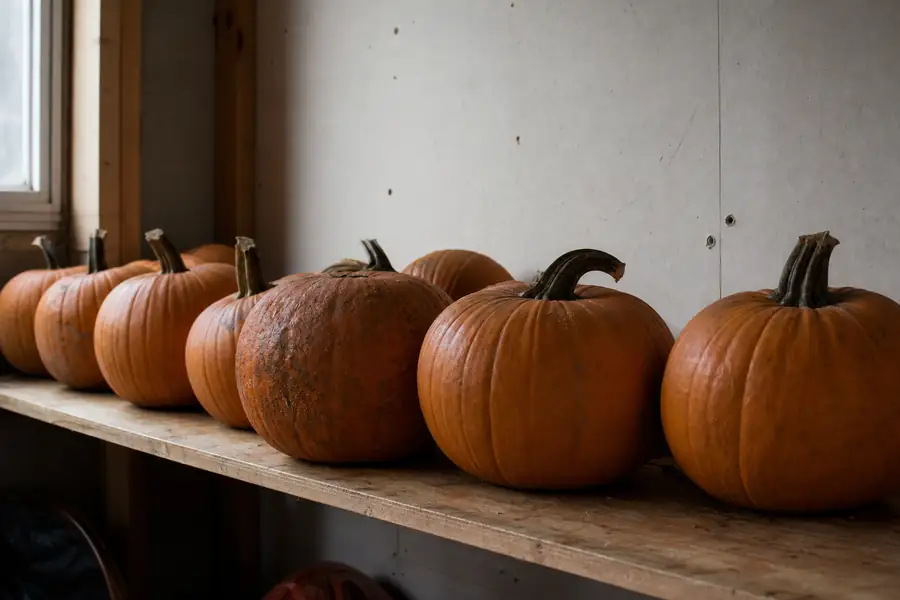
| Field pumpkin | 8 to 12 weeks | Afternoon shade |
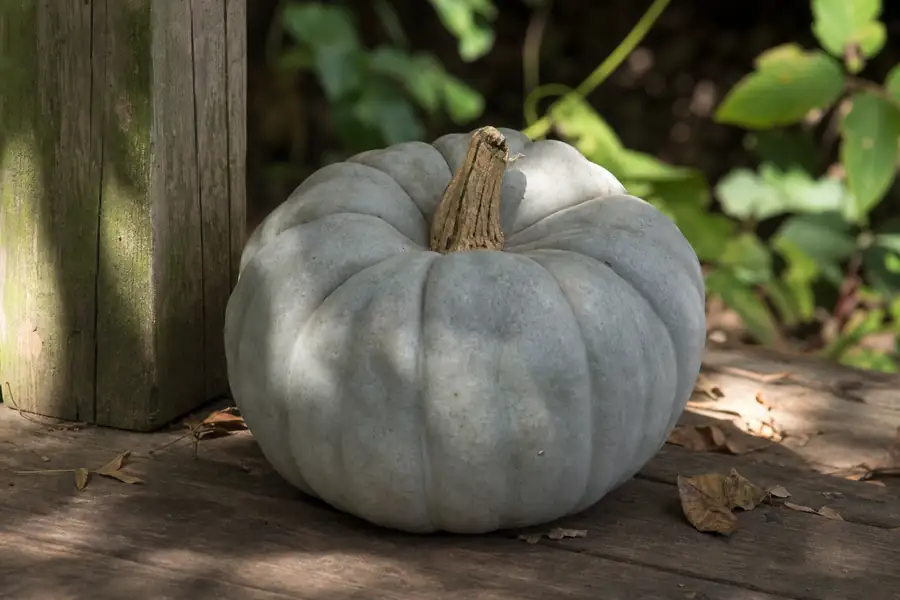
| White Ghost | 2 to 3 months | Afternoon shade, pale skin scalds in full sun |
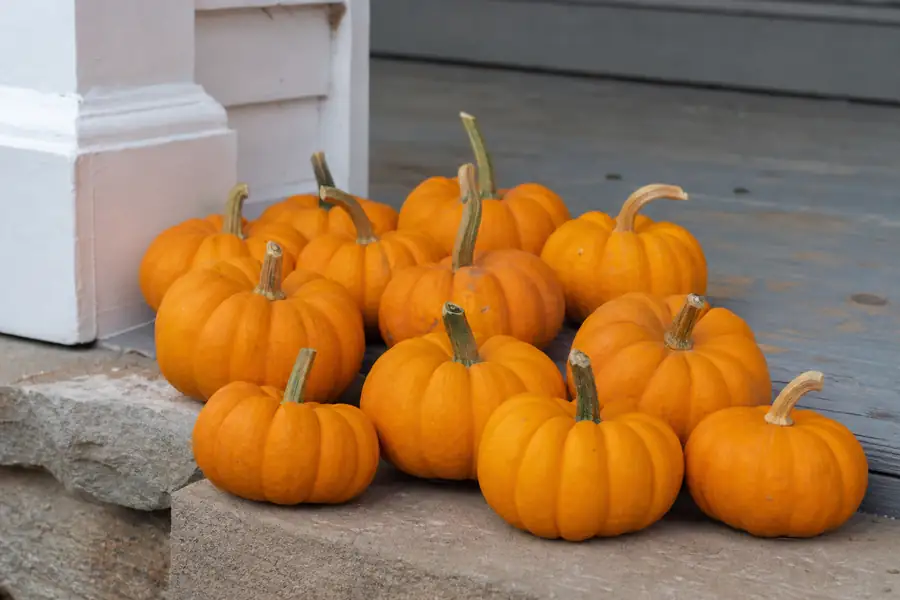
| Minis | 4 to 8 weeks | Anywhere, check daily for shrivel |
Beyond picking the right variety, a handful of habits genuinely extend the display:
- Leave 3 to 4 inches of dry stem on. A trimmed or wet stem is the fastest way to open the top of a pumpkin to mold.
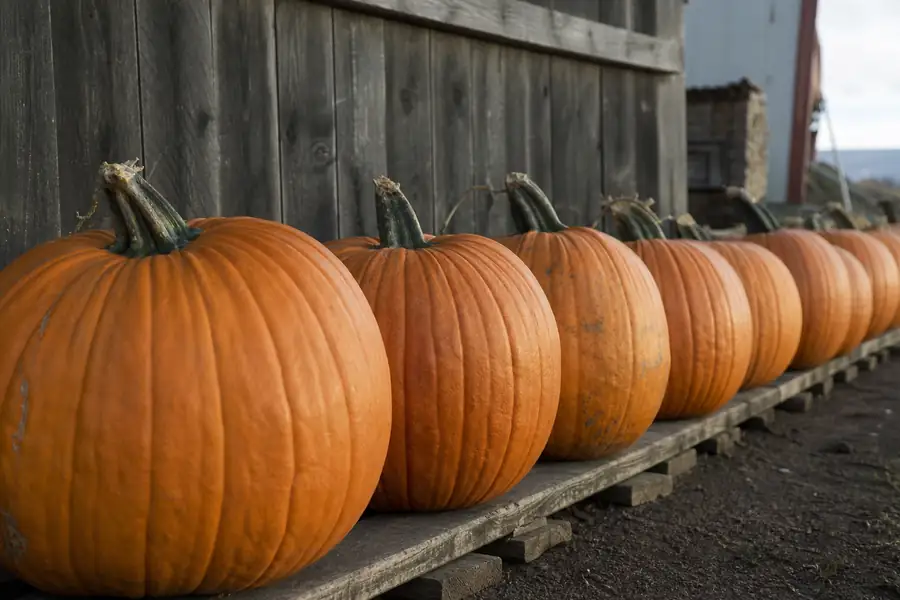
- Raise every pumpkin about half an inch off the ground, on a thin board, a brick, or a hay bale. Ground contact traps moisture against the base.
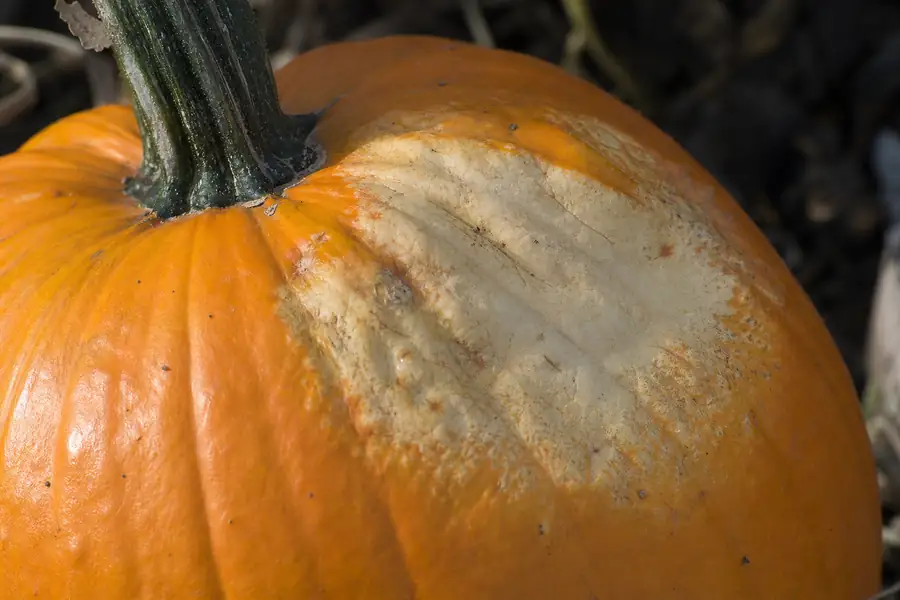
- Give pale skinned pumpkins afternoon shade. Direct Colorado sun scalds White Ghost and other pale varieties the same way it scalds skin.
- Move pumpkins into a garage near 50 to 55 degrees Fahrenheit on nights that drop to freezing. A pumpkin that freezes and thaws repeatedly turns to mush from the inside.
- Carve only in the final week you plan to display. Once the skin is cut, the clock on that pumpkin runs out fast, no matter the variety.
These are the same hard-skinned varieties we install on porches across the county, because they're the ones that hold up without babysitting.
What partly works
A dilute bleach solution, about a tablespoon of bleach per gallon of water wiped on the skin, may knock back surface mold for a few days. The support for this is mostly anecdotal from gardeners, not formal testing, and it does nothing once the flesh underneath has gone soft. It's a maintenance step, not a cure.
Toweling pumpkins dry after rain also helps, in a boring but real way. Standing water left on the skin softens it faster than air drying ever would, so five minutes with a towel buys real time.
What is folklore
Petroleum jelly on pumpkins slows water loss slightly on a cut edge, which is why some carvers rub it inside a jack o'lantern. Smeared over a whole uncarved pumpkin, it does the opposite: it seals in the moisture already inside the rind and speeds up mold rather than slowing it.
Hairspray has no reliable evidence behind it at all, and it's flammable, which matters if there's a candle anywhere near the display. Floor wax and WD-40 are worse ideas for the same reason, plus they leave a coating that traps rot underneath where you can't see it starting.
A long soak in bleach water will not bring back a pumpkin that has already gone soft. And the branded pumpkin preservative sprays sold every fall have no independent testing behind their claims. They keep showing up because blogs quote other blogs, not because anyone has verified they work.
The Colorado version
Front Range porches sit between 5,280 and 5,430 feet, where afternoon humidity often runs 20 to 40 percent and daily swings of 30 degrees Fahrenheit or more are normal in October. That combination means Colorado pumpkins are more likely to dehydrate and shrivel than to go slimy, which is the opposite problem most national decorating advice is written for.
Scald hits pale skinned varieties first in this kind of sun, which is why afternoon shade matters more here than in a humid climate. First frost on the Front Range typically lands somewhere between late September and mid October, but check current local records before you plan around it, since it shifts year to year. Our guide on whether frost actually hurts pumpkins covers what a hard freeze does to skin and flesh in more detail.
A four-week routine for pumpkins outside
- Week one: place pumpkins and raise each one off the ground. Decide now which ones get shade.
- Week two: give each pumpkin a quarter turn and check the base for soft spots or damp mulch.
- Week three: pull any shriveled minis before they drag mold onto the pumpkins next to them.
- Week four: carve one, not the whole display, if you want a jack o'lantern for the last stretch before Halloween.
When replacement beats rescue
Once a pumpkin dents under light thumb pressure, it's finished. No wipe, spray, or soak brings back structure that's already collapsed, and trying to display it just speeds up mold on the pumpkins around it.
Keep two or three spares in a cool garage so a failing pumpkin can be swapped out instead of nursed. If a full refresh makes more sense than swapping one or two, our Charm package replaces an entire small display with 18 to 20 fresh pumpkins, delivered and styled. We also serve towns across the area including Boulder and Denver.
FAQs
Does petroleum jelly make pumpkins last longer?
Only on a cut edge, where it slows moisture loss slightly. Spread over a whole uncarved pumpkin it traps moisture inside the rind and tends to speed up mold rather than prevent it.
What is the best spray to preserve pumpkins?
There isn't one with real evidence behind it. Branded preservative sprays and hairspray both lack independent testing, and a dilute bleach wipe only slows surface mold for a few days, it does not preserve a pumpkin long term.
Do pumpkins last longer in sun or shade?
It depends on the variety. Hard skinned types like Jarrahdale tolerate full sun well, but pale skinned varieties such as White Ghost scald and break down faster in direct afternoon sun, so they last longer with some shade.
How long will an uncarved pumpkin last on a porch?
A standard field pumpkin typically lasts 8 to 12 weeks outside with good placement, while hard skinned varieties like Jarrahdale or Cinderella can last several months. Carved pumpkins last far less, usually just a week or two once the skin is opened.