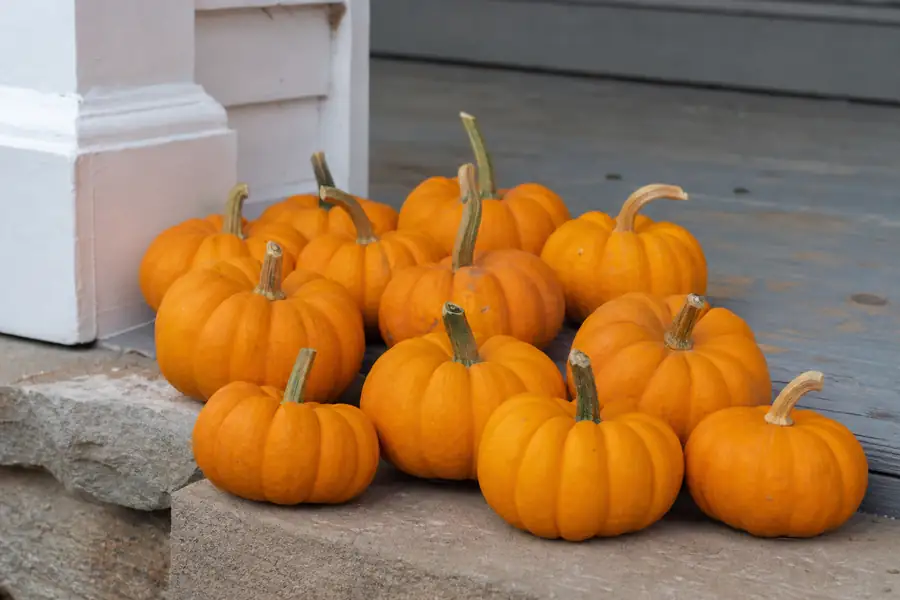
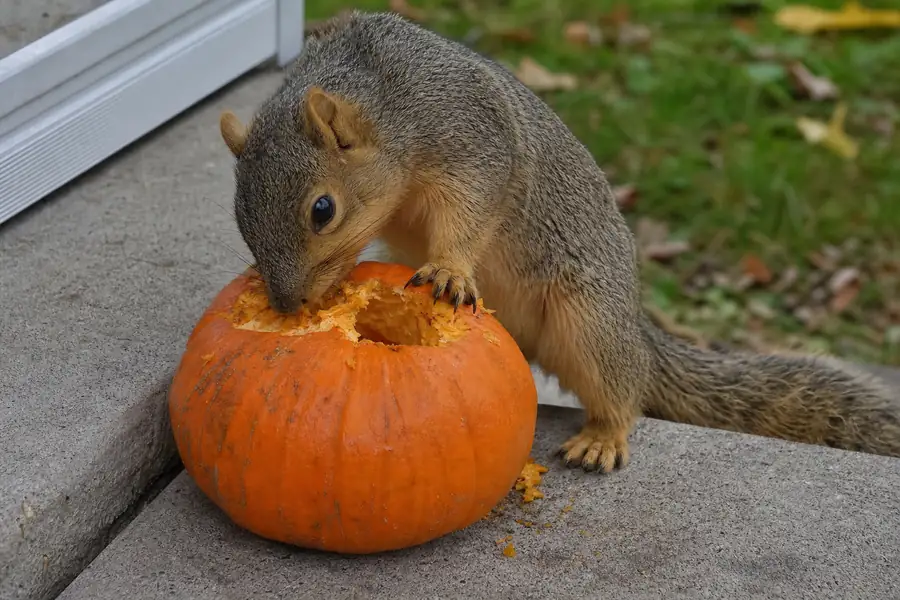
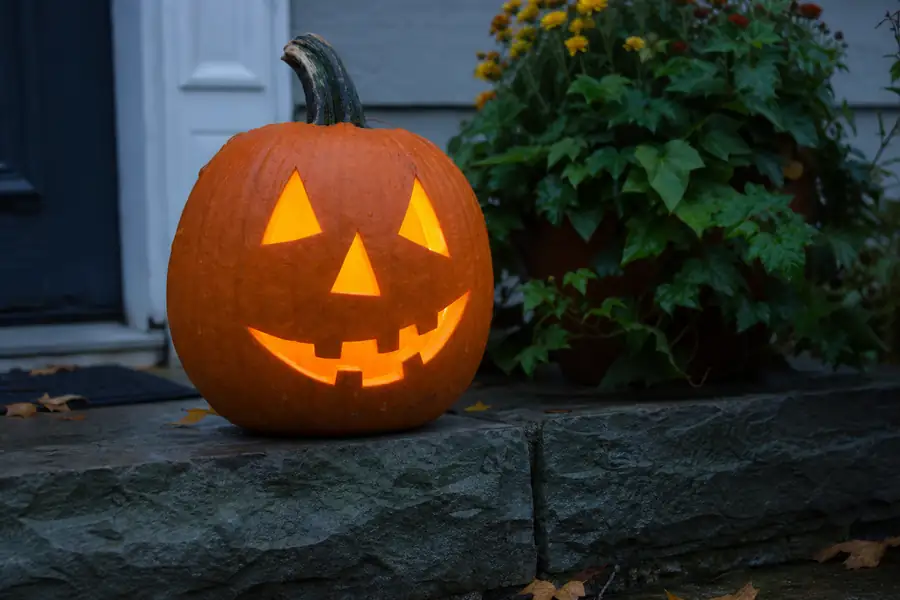
Quick answer: A cured, undamaged, uncarved pumpkin kept cool and dry typically lasts 8 to 12 weeks, and hard-skinned varieties like Jarrahdale can hold for several months. Left on a hot, sunny slab of concrete, expect closer to 4 to 6 weeks.
That is longer than most people assume when they are standing at a farm stand in late August, worried that buying now means a soft porch by mid October. The real number depends on three things we check every week when we pick pumpkins off Colorado farms for porches: how well the pumpkin cured after harvest, whether the stem is still attached, and which variety you picked.
How Long Do Uncarved Pumpkins Last?
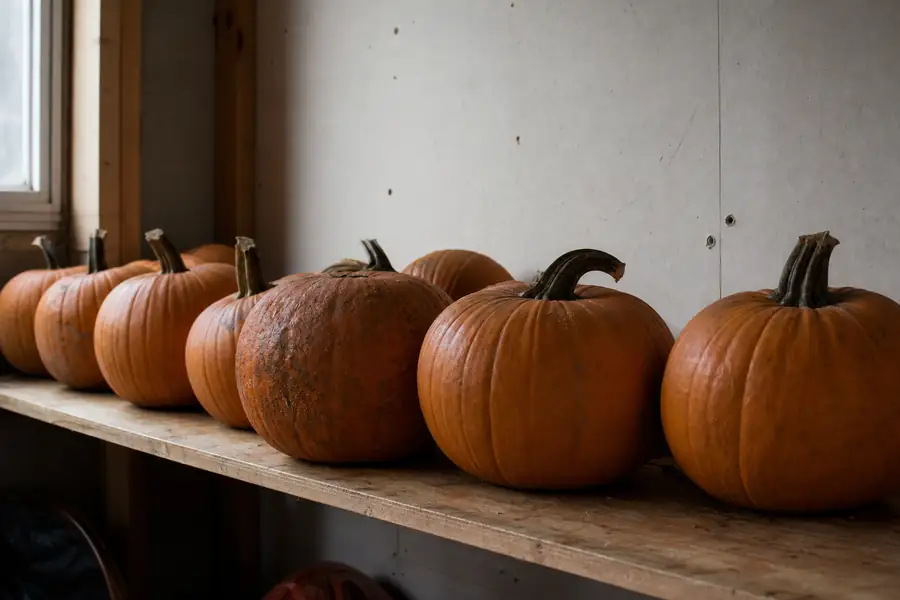
Most whole, uncured, unbruised pumpkins last 8 to 12 weeks once they leave the field, as long as they stay cool, dry, and out of direct sun most of the day. That range covers typical field and pie pumpkins. Hard-skinned types run longer, often 3 to 5 months, and softer skinned white varieties run shorter, closer to 2 to 3 months.
The reason two pumpkins that look nearly identical at the store can fail six weeks apart comes down to cure quality, stem condition, and skin thickness. Those three variables matter more than the exact week you bought it.
Cure Quality: Why Some Pumpkins Fail Weeks Early
A pumpkin that cured properly after harvest will outlast one that did not, often by a full month or more. Curing is the practice of holding pumpkins in warm, dry conditions, usually around ten days, right after they come off the vine. Most extension offices recommend this step for all winter squash and pumpkins because it hardens the outer skin and lets small nicks and stem scars callus over before the pumpkin goes anywhere near a cool, damp porch.
A pumpkin picked green or shipped wet skips that window. It looks fine on the shelf, but the skin stays soft underneath, and soft skin lets moisture in at the first scrape or bump. That is why you can set two pumpkins side by side that look like twins and watch one go soft at week six while the other is still solid at week ten.
You can judge cure quality in the aisle without any special tools. Look for matte, dull skin rather than a shiny, waxy surface, which usually means the pumpkin is still holding extra moisture. Press a thumb gently against the shoulder. A properly cured pumpkin will not give at all.
The Stem: A Small Detail With a Big Effect on Shelf Life
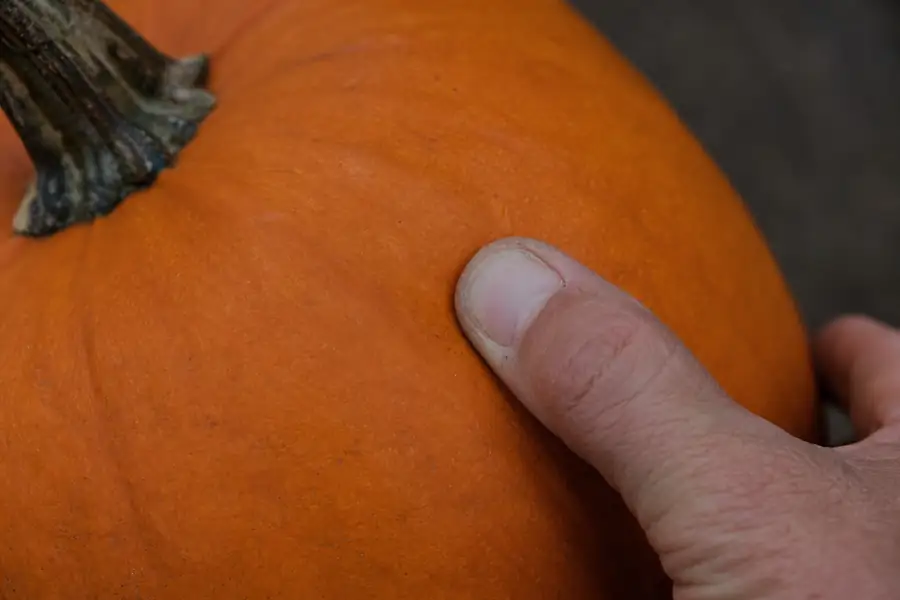
A pumpkin with 3 to 4 inches of dry, corky stem firmly attached will outlast one with a pulled or broken stem by weeks. The stem seals the spot where the pumpkin was connected to the vine. Once that seal is gone, you have an open wound sitting right at the top of the pumpkin, exactly where rain, dew, and irrigation overspray collect.
Water that pools at a missing stem works its way into the flesh and starts rot from the inside, often before any sign shows up on the outside. By the time the top looks sunken, the inside is usually already gone soft. This is also why you should never lift or carry a pumpkin by its stem. A stem that breaks off in your hand does more damage to shelf life than a bruise on the side ever would.
Skin Hardness by Variety: Jarrahdale, Cinderella, and More
Skin hardness varies a lot by variety, and it is one of the biggest reasons published pumpkin lifespans swing so widely. Jarrahdale, the blue gray, heavily ribbed pumpkin, has the hardest skin we work with and routinely holds for several months on a porch. Cinderella, also sold as Rouge Vif d'Etampes, is a close second. Standard field pumpkins, the classic orange jack o lantern shape, run the familiar middle range, and pie pumpkins are small and dense and hold nearly as long.
White Ghost, also called Lumina, and Porcelain Doll have softer skin and show bruising and yellowing sooner than the hard-skinned types. Knucklehead, with its warty surface, can hold water in the folds during a wet fall and go soft faster than its tough look suggests. Here is how the varieties we handle most often compare on skin hardness and rough shelf life once cured properly and kept cool.
| Variety | Skin hardness | Typical shelf life |
|---|---|---|
| Jarrahdale | Very hard | 3-5+ months |
| Cinderella (Rouge Vif d'Etampes) | Hard | 3-5 months |
| Field pumpkin | Medium | 8-12 weeks |
| Pie pumpkin | Medium-dense | 2-3 months |
| White Ghost (Lumina) | Soft | 2-3 months |
| Porcelain Doll | Soft | 2-3 months |
| Knucklehead | Medium, holds water in warts | 6-10 weeks |
We cover every variety we install, with how hard each skin is, in more detail if you want to match a specific look to how long you need it to last.
Six Weeks or Six Months: Two Pumpkins, Two Outcomes
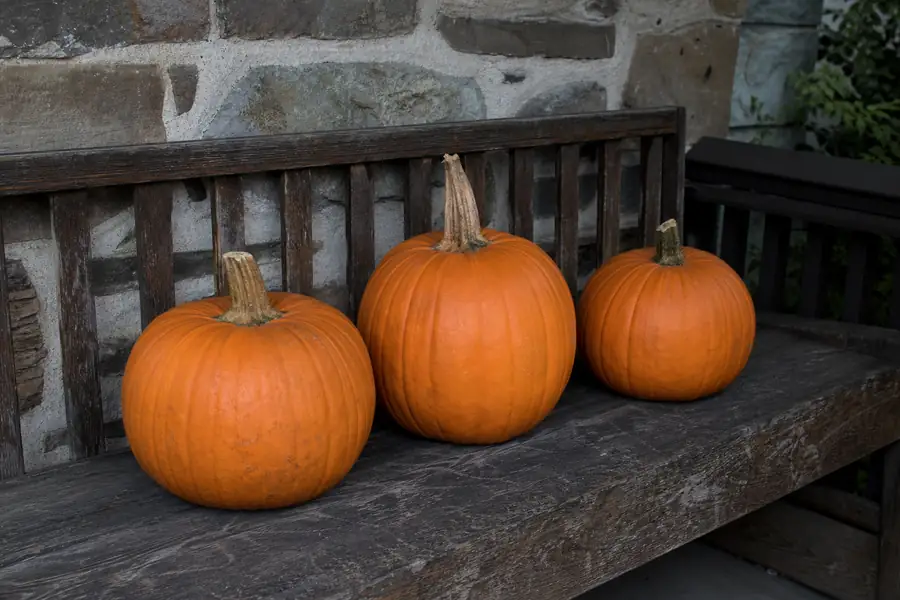
Picture a White Ghost that was picked a little early, lost its stem in transit, and sits on a south-facing step that gets full sun most of the afternoon. That pumpkin is working against three strikes at once and will likely soften within 4 to 6 weeks.
Now picture a well-cured Jarrahdale with its stem intact, set on a shaded block near the door. That pumpkin is doing everything right and can reasonably be expected to hold its shape for several months. Same season, same calendar, completely different outcome, because the variables stacked in opposite directions.
Storing the Rest of Your Pumpkins
Pumpkins you are not displaying yet last longest in a single layer, not touching each other, off bare concrete, at roughly 50 to 55 degrees Fahrenheit and out of direct sun. Concrete pulls heat and moisture in ways that speed up soft spots, so a wood shelf or even a folded blanket under each pumpkin helps.
A garage shelf beats a basement floor for most Front Range homes, since basements here tend to run damp. Never stack pumpkins. The weight bruises the skin on the bottom layer, and bruises are where rot starts first, regardless of how well the pumpkin cured.
Buying Pumpkins Early in Colorado
Mid-September is well inside the normal range for a pumpkin meant to look good through October 31. Even on the shorter end of 8 to 12 weeks, a pumpkin bought in mid September still has plenty of life left for Halloween, as long as it cures properly, keeps its stem, and stays out of harsh afternoon sun.
Front Range first frost typically lands anywhere from late September to mid October, though you should check current local records for your specific town since this shifts year to year. On the nights a freeze is forecast, move uncarved pumpkins against the house or under an overhang rather than leaving them exposed on an open step. We see this pattern every season delivering to porches in Boulder and Longmont, and the pumpkins that get moved in on hard freeze nights consistently outlast the ones left out.
Our package counts, including the Charm package, are always given as ranges rather than a fixed number, because what Colorado growers hand us changes week to week through the season. If you want the full picture on how long any pumpkin tends to last week by week, our general pumpkin lifespan comparison breaks it down variety by variety.
FAQs
How long do uncarved pumpkins last outside?
A cured, undamaged, uncarved pumpkin kept cool, dry, and mostly out of direct sun usually lasts 8 to 12 weeks outside. Hard-skinned types like Jarrahdale can go several months, while softer varieties and pumpkins left in full afternoon sun tend to run closer to 4 to 6 weeks.
Do uncarved pumpkins last longer than carved ones?
Yes, by a wide margin. Cutting into a pumpkin exposes the inner flesh to air and bacteria right away, which is why a carved pumpkin usually lasts only a matter of days to about a week, compared to months for an uncarved one.
Can you buy pumpkins in September for Halloween?
Yes. Mid-September sits well within the normal 8 to 12 week shelf life window for most varieties, so a pumpkin bought then will usually still look good through October 31 if it cured properly and keeps its stem.
Which pumpkin varieties last the longest uncarved?
Jarrahdale and Cinderella, also known as Rouge Vif d'Etampes, have the hardest skin and routinely hold for 3 to 5 months or more. Softer skinned white varieties like Lumina and Porcelain Doll typically run shorter, around 2 to 3 months.