Quick answer: A carved pumpkin lasts 3 to 10 days outside, less in warm humid weather. An uncarved pumpkin lasts anywhere from 4 weeks to several months depending on variety, with hard skinned types like Jarrahdale often holding 4 to 6 months in cool storage.
A pumpkin's clock starts the day it's picked, not the day it lands on your porch. How long it holds depends on whether it's carved, which variety it is, and what kind of surface and weather it sits in. Here's the fuller breakdown, then the details that matter for a Front Range porch.
How long do pumpkins last: the short answer, in one table
| Type | Typical lifespan | Conditions that help |
|---|---|---|
| Carved pumpkin | 3-10 days outdoors, 2-3 days in warm humid weather | Cool, dry, out of direct sun |
| Uncarved field pumpkin | 8-12 weeks in cool dry shade, 4-6 weeks on a hot sunny slab | Shade, airflow, no standing water |
| Pie pumpkin | 2-3 months | Cool, dry storage |
| White Ghost (Lumina) | 2-3 months, bruises and yellows sooner | Gentle handling, avoid direct sun |
| Cinderella (Rouge Vif d'Etampes) | 3-5 months | Cool, dry |
| Jarrahdale | Several months, often 4-6 in cool storage | Cool, dry, minimal handling |
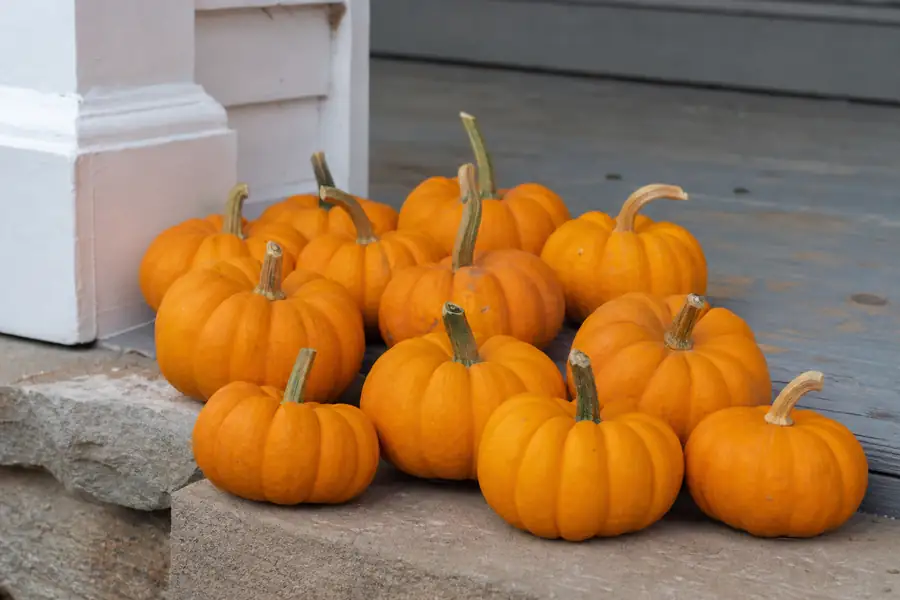
| Minis | 4-8 weeks | Cool, dry |
Every figure here is typical, not guaranteed. Shelf life swings with handling, weather, and whether the skin got nicked before the pumpkin ever reached your porch.
The four variables behind pumpkin shelf life: skin, cure, temperature, moisture
Skin is the barrier between the inside of a pumpkin and the air, bacteria, and insects that rot it. A thick, waxy skin is simply a better barrier than a thin one, which is why hard skinned varieties outlast softer ones by months, not days.
Curing happens before a pumpkin ever reaches a porch. Roughly ten days in warm, dry conditions after harvest hardens the skin and seals the scar where the pumpkin stem meets the fruit. A properly cured pumpkin resists bruising and loses less moisture over the weeks that follow.
Storage temperature matters more than most people expect. General university extension guidance points to 50 to 55 degrees Fahrenheit with moderate humidity as the range that holds a pumpkin longest without the flesh drying out or breaking down.
Below freezing, a pumpkin's cell walls rupture and the whole thing caves in within days once it thaws. Moisture against the skin from rain, snow, or a wet slab speeds rot no matter how tough the variety.
Varieties ranked by skin hardness
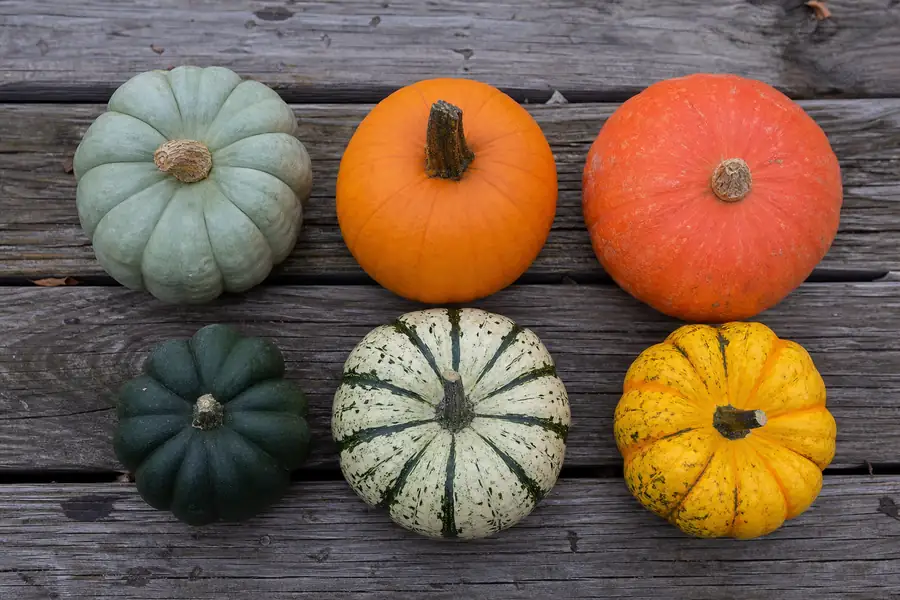
Skin hardness, more than size or color, decides how long a pumpkin holds on a porch. See the varieties we install and how long each skin holds for the full rundown, but here's the short version, hardest to softest:
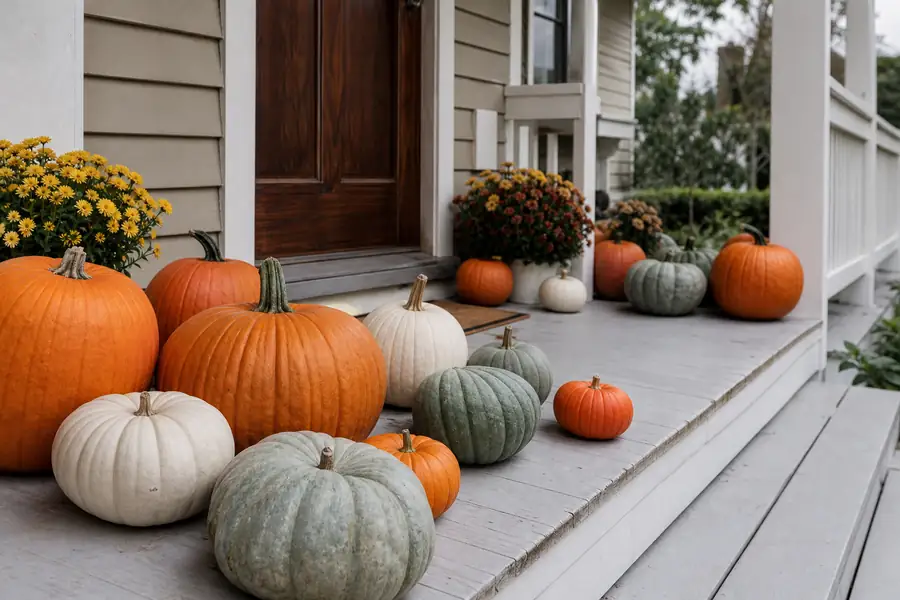
- Jarrahdale: thick, blue-gray, almost stony skin. Holds for months with minimal handling.
- Cinderella (Rouge Vif d'Etampes): deep orange, ribbed, and nearly as tough as Jarrahdale.
- Field and pie pumpkins: standard orange skin, solid but not exceptional. The baseline most patches sell.
- White Ghost (Lumina) and Porcelain Doll: pale skins bruise and yellow faster than orange ones, especially where sun hits them directly.
- Minis: small surface area to volume ratio means they dry out fastest of the group.
What a Colorado porch does to a pumpkin
A Front Range porch is harder on a pumpkin than most general advice accounts for. Boulder sits near 5,430 feet and Denver near 5,280 feet, high enough that UV exposure is stronger than at sea level, and it bakes pale skin and dries out exposed flesh faster than a humid climate would.
Afternoon humidity here often runs 20 to 40 percent, with daily swings of more than 30 degrees Fahrenheit between a cold morning and a sunny afternoon. We see this most in Boulder and Longmont, where wide temperature ranges and strong afternoon sun test even hard skinned pumpkins. Pumpkins on a Colorado porch shrivel more than they turn to mush. Scald, the yellow-white patches sun causes on pale skin, hits White Ghost and Porcelain Doll pumpkins first.
First frost along the Front Range typically lands somewhere between late September and mid October, but that date moves year to year, so check current local records before you plan a buy date around it. A hard freeze below 32 degrees Fahrenheit can rupture a pumpkin's cells overnight regardless of variety, which is a different failure mode than the slow shrivel sun causes.
Buying so your pumpkins reach October 31
Buy porch pumpkins between mid-September and early October if you want them intact through Halloween. Buying earlier burns through shelf life before the holiday even arrives, and buying later limits your pick of hard skinned varieties.
Look for a pumpkin with 3 to 4 inches of dry, slightly shriveled stem and matte, non-glossy skin. Skip anything with a soft spot anywhere on the surface, even one the size of a thumbprint, since that's usually the first sign of rot starting from the inside out.
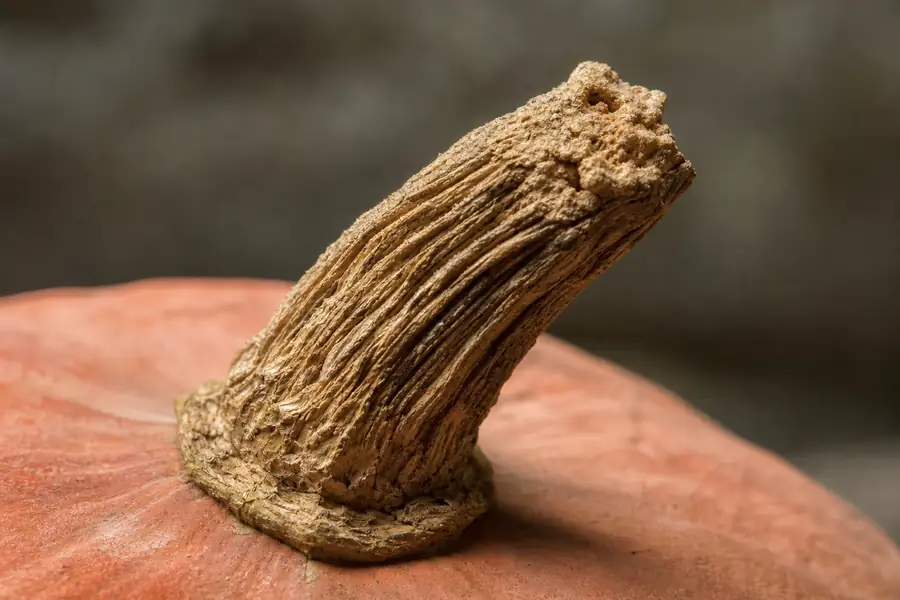
Never carry a pumpkin by the stem. A stem that snaps off leaves an open wound that rot moves through fast, and it rarely heals over the way a scrape on the skin does. For more on how long pumpkins last outside once the weather turns, our guide to pumpkins left outside covers the week by week breakdown.
If you'd rather skip the shopping and hauling, our Enchantment package delivers pumpkins already matched for size and variety and stages them on the porch the same day, cured and ready to hold through the season.
Signs a pumpkin is going
A pumpkin that's failing shows itself in a few telltale ways: a weeping or soft base, gray fuzz spreading across the skin, a dent that stays after you press a thumb into it, or a stem that's collapsed and gone soft. Any one of these means the pumpkin is past the point of improving.
Pull it that same day. A rotting pumpkin left on a porch step can leech onto the stone below it and draw yellowjackets through the back half of October, which looks worse than the empty spot where a pumpkin used to be.
FAQs
How long do pumpkins last outside?
A carved pumpkin usually lasts 3 to 10 days outside, shorter in warm humid weather. An uncarved field pumpkin can hold 8 to 12 weeks in cool dry shade, and hard skinned varieties like Jarrahdale can go several months.
How long before Halloween should I buy?
Mid-September to early October is the window that lets most pumpkins reach October 31 without carving. Buying earlier than that eats into shelf life before the holiday arrives, especially for softer skinned varieties.
Which variety lasts longest?
Jarrahdale lasts longest among common porch pumpkins, often holding several months in cool storage thanks to its thick, blue-gray skin. Cinderella (Rouge Vif d'Etampes) is a close second.
Does bleach make pumpkins last longer?
A light bleach solution on the cut surface of a carved pumpkin can slow mold for a few extra days, but it does nothing for an uncarved pumpkin's skin. There is no coating or spray that seals a pumpkin and stops it from aging on its own timeline.