Quick answer: Most carved pumpkins last three to ten days outdoors before they shrivel, cave in, or mold past the point of display. In warm, humid weather that window can shrink to two or three days. A cold, dry stretch, which the Front Range gets often in October, can push it closer to two weeks. Indoors in a heated house, figure three to five days before the cut edges curl and the face sags.
We install porch displays through October 31 and we go back often enough to see which jack-o-lanterns are still standing on November 1 and which ones are a puddle on the step. The knife is what starts the clock. Here is how to time it so the carved pumpkin looks its best on the one night that matters.
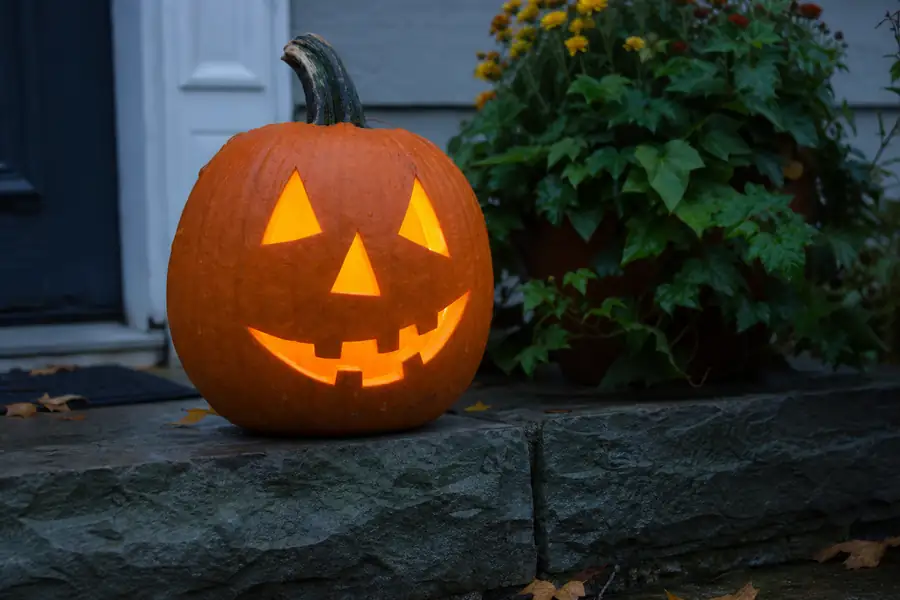
The straight answer: how long do carved pumpkins last
A carved pumpkin's lifespan depends almost entirely on temperature and humidity, not on the pumpkin itself. The table below gives honest ranges for the conditions you will actually run into this fall.
| Conditions | Typical carved lifespan |
|---|---|
| Warm and humid outdoors | 2-3 days |
| Average Front Range fall weather | 3-10 days |
| Cold, dry outdoor stretch | Up to 2 weeks |
| Indoors in a heated home | 3-5 days |
An uncarved pumpkin holds far longer than any of these ranges, since the skin stays intact and keeps the moisture in. For more on how an uncarved display holds up week to week, see our guide on how long pumpkins last outside.
Why carving starts a clock
Skin is a pumpkin's barrier against the outside world, and a knife removes it. Once the flesh is exposed, it loses water to the air and takes on mold spores at the same time, which is why a carved pumpkin fails so much faster than a whole one.
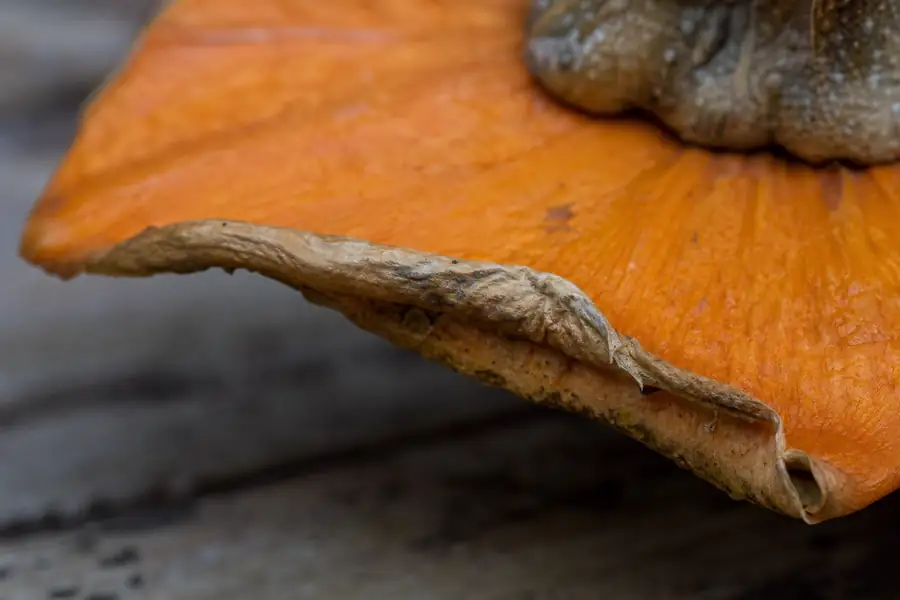
Cut edges dry out and curl within 24 to 48 hours of carving. That curl is what turns a crisp jack-o-lantern grin into a shrunken, lopsided one.
A lit candle makes it worse. The flame sits a few inches under the lid and slow-cooks it from above, which softens that one spot days before the rest of the pumpkin gives out. That is the single biggest reason a carved pumpkin collapses from the top down.
What stretches it, ranked honestly
Some of these moves genuinely buy you days. Others are marginal or unproven, and we will say so rather than oversell them.
- Carve within two to three days of the night you want it. This is the single biggest lever. A pumpkin carved on October 24 for an October 31 reveal is already past its best.
- Scrape the inner wall down to about an inch thick. Ragged, uneven flesh dries unevenly and fails first; a clean, even wall holds its shape longer.
- Use LED or battery lights instead of a candle. No added heat means no cooked lid, which is the easiest fix on this list.
- Keep it cool. A spot near 50 degrees F overnight, or a few hours in the fridge during the day, slows the water loss that causes shriveling.
- Mist the inside with water. A light spray on the cut surfaces slows shriveling for a day or two, nothing more.
- A dilute bleach wipe on cut edges, about a tablespoon per gallon of water, may slow surface mold. The support for this is anecdotal rather than tested, so treat it as a minor assist, not a fix.
- Petroleum jelly on cut edges is marginal and we don't recommend it. It traps moisture against the flesh, which can speed up softening as easily as it slows drying.
No combination of these doubles a carved pumpkin's life. They buy you a day or two at the margins, and timing still does the heavy lifting.
What Colorado does to a jack-o-lantern
Front Range afternoon humidity often sits in the 20 to 40 percent range, so a carved pumpkin here tends to shrivel and cave in rather than turn slimy the way it might in a wetter climate. That dry air is doing you a favor, right up until a hard freeze hits.
One overnight freeze ends a jack-o-lantern outright, collapsing the flesh into a wet, sunken mess within a day. First frost on the Front Range typically lands somewhere between late September and mid-October, but it varies year to year and by elevation, so check current local records before you plan around it. For more on what freezing does to pumpkin tissue, see our piece on how frost affects pumpkins.
A porch in Boulder and one in Longmont can see frost on different nights depending on elevation and local cold pockets, so don't assume your neighbor's timeline matches yours.
The timing argument: carve one, leave the rest whole
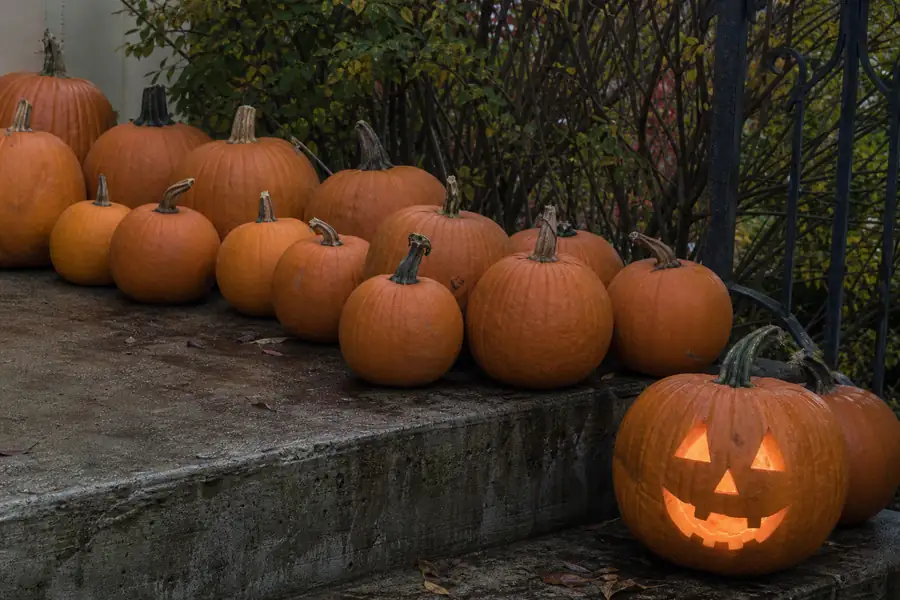
If your display runs 18 to 60 pumpkins, don't carve the whole lot. Cut one pie pumpkin or medium field pumpkin in the last week of October, and leave everything else whole so the porch still reads full and tidy on November 1.
A practical schedule for a typical display, say the Charm display, 18 to 20 pumpkins at $375: style the porch in mid-September while the weather is dry, carve your one jack-o-lantern October 27 to 29, light it with an LED instead of a candle, and set it slightly raised on a block or step edge so it reads as the featured piece rather than getting lost among the whole pumpkins.
This way the one carved pumpkin does its job for the two or three nights that matter, and the rest of the display keeps looking finished for weeks before and after.
Cleanup
Pull the carved pumpkin before it collapses, not after. Once it caves in, the liquid inside runs out and stains concrete and porous stone steps, and that stain is much harder to lift than the pumpkin was to remove.
FAQs
How long do carved pumpkins last outside?
Outdoors, a carved pumpkin typically lasts three to ten days depending on temperature and humidity. Warm, humid weather can shrink that to two or three days, while a cold, dry stretch can stretch it closer to two weeks.
Can you carve pumpkins a week before Halloween?
You can, but expect a noticeably shrunken, curled jack-o-lantern by the big night rather than a crisp one. For the best look on Halloween itself, carve within two to three days of when you want it to peak.
How do you keep a carved pumpkin from molding?
Scrape the inner wall clean down to about an inch thick, since ragged flesh molds first, and keep the pumpkin cool and out of direct sun. A dilute bleach wipe on the cut edges, about a tablespoon per gallon of water, may slow surface mold a little, though the evidence for it is mostly anecdotal rather than tested.
Does a carved pumpkin last longer indoors or outside?
In most Front Range falls, outdoors actually wins, since cool night air slows decay better than a heated home does. Indoors in a heated house, figure three to five days before the cut edges curl and the pumpkin starts to sag.