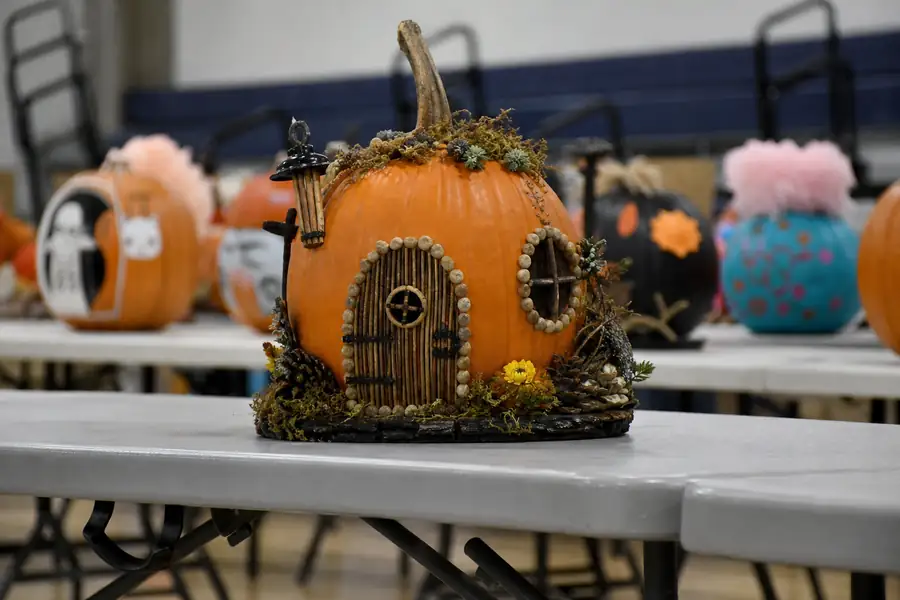
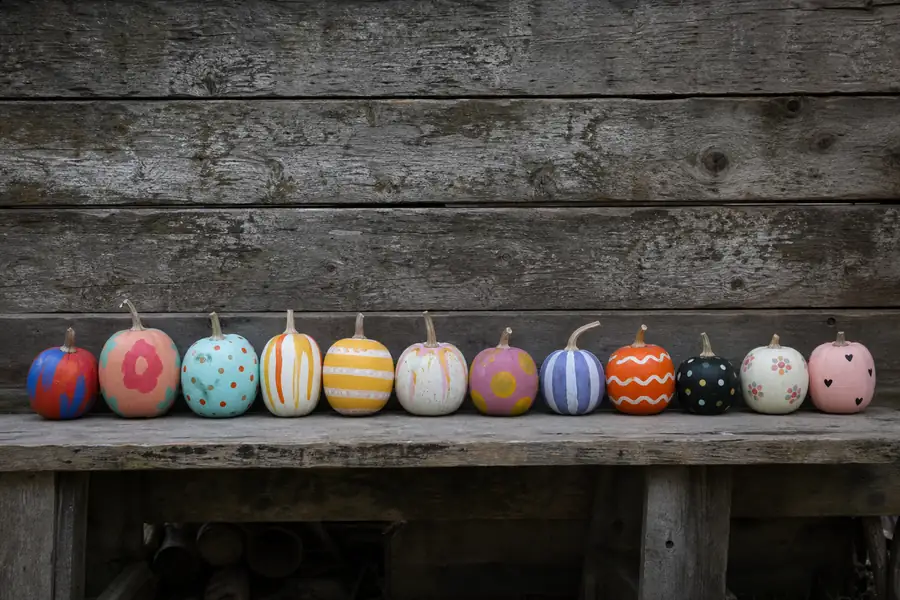
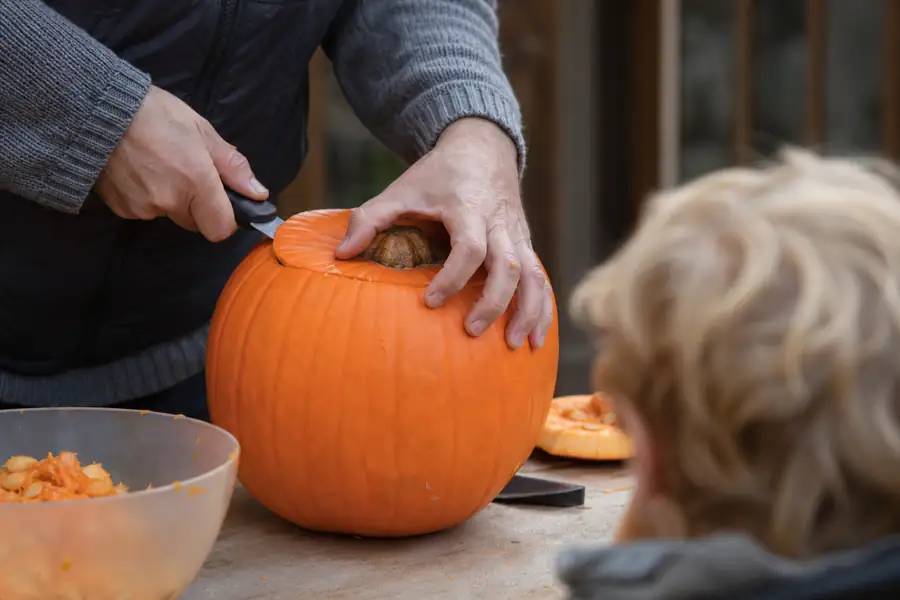
A pumpkin and a two year old with a paintbrush is a different project than a pumpkin and an eleven year old with a stencil. Most of the frustration in pumpkin decorating ideas for kids comes from using one set of instructions for every age. Match the activity to the kid and the session actually works.
Nobody under twelve picks up a carving knife, no matter how careful they are. Everything else below is sorted by what a kid that age can actually do without an adult hovering over every move.
- Carving knives stay in adult hands at every age covered here.
- Toddlers get dot markers and paint sticks, not loose small pieces.
- Acrylic paint, not tempera, holds up best once a pumpkin sits outside.
- A medium field pumpkin or a White Ghost (Lumina) takes kid art better than a warty one.
- Painted, uncarved pumpkins last 8 to 12 weeks on a shaded porch. Carved ones last 3 to 10 days.
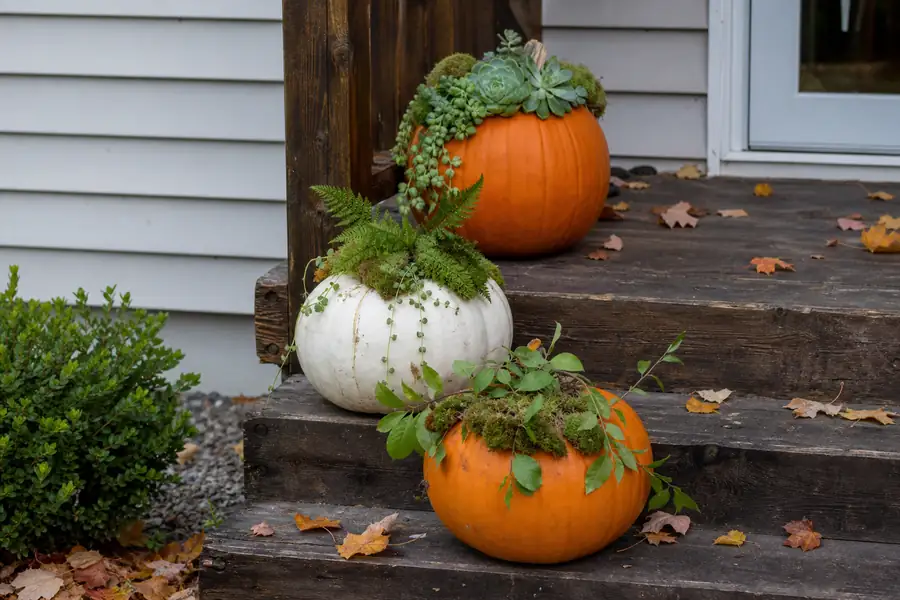
Adults Do All the Cutting
No child under 12 should use a carving knife on a pumpkin. Pediatric and hand surgery guidance is consistent on this: a slippery rind, a short blade, and small hands is a bad combination even with an adult standing right there. Kids draw the design and, with supervision, scoop seeds with a long-handled scoop. An adult does any cutting.
If carving is the actual goal this weekend, our guide to how many pumpkins a front porch needs can help you plan how many to buy, and a dedicated carving post covers the technique. Everything below works on a pumpkin that never gets cut, which also solves the mess problem since no carving means no pulp on the porch.
Pumpkin Decorating Ideas for Kids Ages 2 to 4
At this age the pumpkin is a prop for sensory play, not an art project. Dot markers (the bingo-dauber style) work well because the cap limits what a toddler can press into their mouth. Tempera paint sticks that dry in 60 to 90 seconds are the other reliable toddler tool, since there is no wet brush to carry across a room.
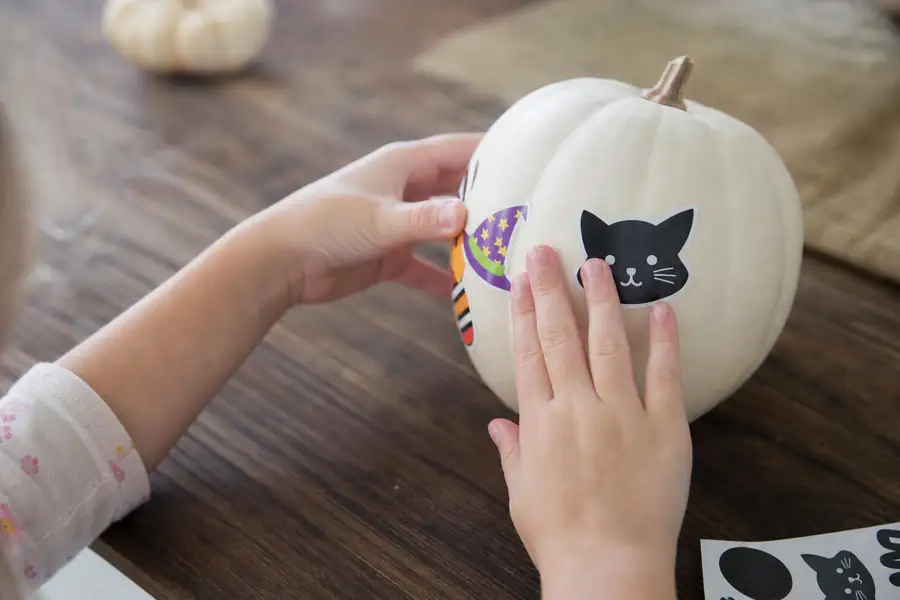
Tape resist stripes are simple: lay painter's tape in bands, let the toddler dab paint over the whole pumpkin, peel the tape once dry. Large stickers finish the job for a kid who is done with paint after three minutes. Keep every piece at least 1.25 inches across, the rough size the Consumer Product Safety Commission uses as its small parts cutoff for toys.
Plan for a short attention span. A common rule of thumb is 2 to 3 minutes of focus per year of age, so a 3 year old is good for roughly 6 to 9 minutes before the activity is over whether you are done or not. Set up a 5 to 10 minute session, not a 30 minute one, and call it a win.
Pumpkin Decorating Ideas for Kids Ages 5 to 7
Acrylic craft paint on a washed, dried, alcohol wiped pumpkin gives kids this age a real painting project with colors that show up. The alcohol wipe cuts through the pumpkin's natural wax so the paint grips instead of beading. Acrylic is touch dry in 20 to 30 minutes and fully cured by 24 hours, which matters if the pumpkin is going straight onto a porch step.
Paint pens suit kids who want lines and faces rather than full coverage. Yarn wrapping, looping colored yarn around the pumpkin and tying it off, is a good no-paint option. Glue dots handle lightweight add-ons like felt shapes without the mess of a glue bottle. A low temp glue gun can join the lineup, but the adult runs the gun: low temp guns still reach roughly 250 degrees, warm enough to raise a welt, so the kid points and the adult pulls the trigger.
Pumpkin Decorating Ideas for Kids Ages 8 to 12
Kids in this range get checked on rather than supervised step by step. A two color design, base coat plus one accent color, looks intentional without needing much skill. Dots punched into the rind with a plastic poker, not a knife, create a pattern that reads well once light hits it from behind.
Decoupage, gluing tissue paper onto the surface with watered down glue, suits this age because it rewards patience without needing fine motor control a younger kid lacks. Stencils work too, as long as an adult cuts any stencil that needs a craft knife. The kid paints inside the lines; the knife stays with the adult, same rule as every other age band.
Which Pumpkin Works Best for Which Age
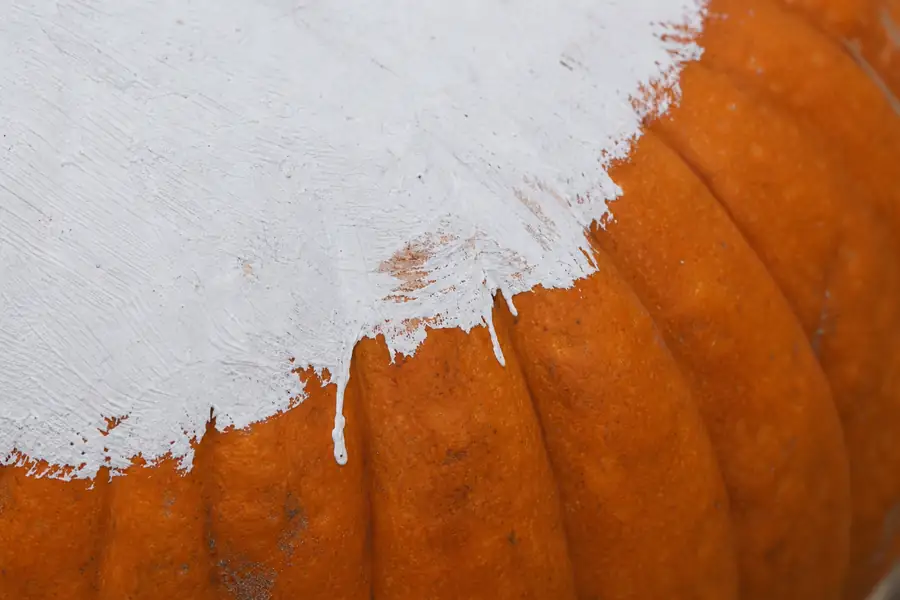
A smooth, light colored pumpkin takes paint and marker cleaner than a bumpy one. White Ghost (Lumina) pumpkins are chalk white with almost no ribbing, so acrylic paint sits flat and colors read true instead of fighting orange underneath. A medium field pumpkin is the next best option and sits flat on its own without rolling off a table. Knucklehead pumpkins, with their warty surface, wreck any fine detail a kid tries to paint. For toddlers, 3 to 4 inch minis fit small hands and do not need two arms to lift. Our Colorado pumpkin varieties guide covers the full range.
If you are buying in bulk for a weekend of projects plus a porch display, our Charm package runs $375 for 18 to 20 pumpkins, delivered and arranged, which gives a sense of scale.
Mess, Drying and How Long a Decorated Pumpkin Lasts
Work outside in the shade and give each kid their own plate under the pumpkin; that solves most of the actual mess. Dry Front Range air sets craft paint faster than the label estimates, which is good for cleanup but leaves less working time to fix a smeared line.
Painted minis get knocked off steps more than anyone expects, usually by a sibling or a dog squeezing past, and poster paint tends to flake after the first hard rain since it was never meant to go outside. Acrylic holds up better but is not waterproof, and no craft sealer actually makes a pumpkin weatherproof, it just slows the surface down. Stems snap off if a kid carries a pumpkin by the stem, so carry minis with two hands under the base.
Minis should come inside once nights drop below freezing, which happens from late September in Boulder County most years. An uncarved, decorated pumpkin on a shaded porch typically holds for 8 to 12 weeks; our post on how long pumpkins last outside has the full breakdown. A carved pumpkin, even adult-carved, is usually done in 3 to 10 days once the cut surfaces collapse.
We are not trying to talk anyone out of a patch trip, that is still the best way to pick out pumpkins a kid wants to decorate. We just handle the porch part for families in Boulder, Longmont and Louisville who meant to get to a weekend of decorating and ran out of weekend.
FAQs
What age can a child carve a pumpkin?
No specific age is considered safe for a child to use a carving knife on a pumpkin. Pediatric and hand surgery guidance recommends adults handle all cutting at any age, with kids drawing the design and scooping seeds instead. A supervised child can usually manage a long-handled scoop by around age 8 to 10.
What paint works best on pumpkins with kids?
Acrylic craft paint is the most durable choice and holds up far better outdoors than tempera or poster paint. Wash and dry the pumpkin, wipe it with rubbing alcohol to cut the natural wax, then paint. It is touch dry in 20 to 30 minutes and fully cured within 24 hours.
How do you decorate a pumpkin without carving?
Dot markers, paint sticks, acrylic paint, paint pens, yarn wrapping, stickers, and glue dots all decorate a pumpkin with no knife involved. These no-carve methods also last longer outside, since there is no cut surface to collapse. They work across every age from toddlers to tweens, with materials changing as kids get older.
How long does a decorated pumpkin last outside?
An uncarved, painted pumpkin on a shaded porch typically lasts 8 to 12 weeks before it starts to soften. A carved pumpkin lasts much less, usually 3 to 10 days, because the open cuts let it dry out and collapse. Bringing mini pumpkins inside once temperatures drop below freezing extends their life further.